History of Old Harry’s Rocks
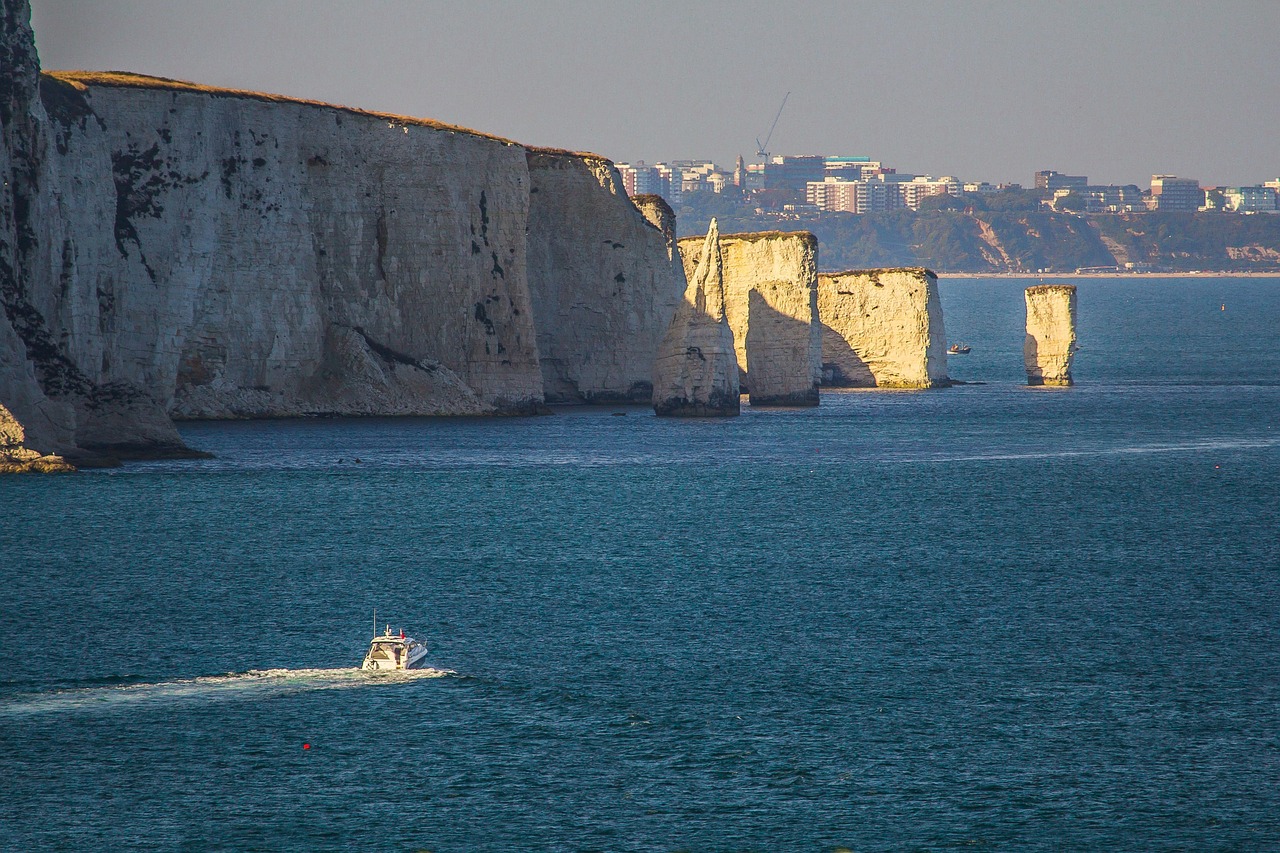
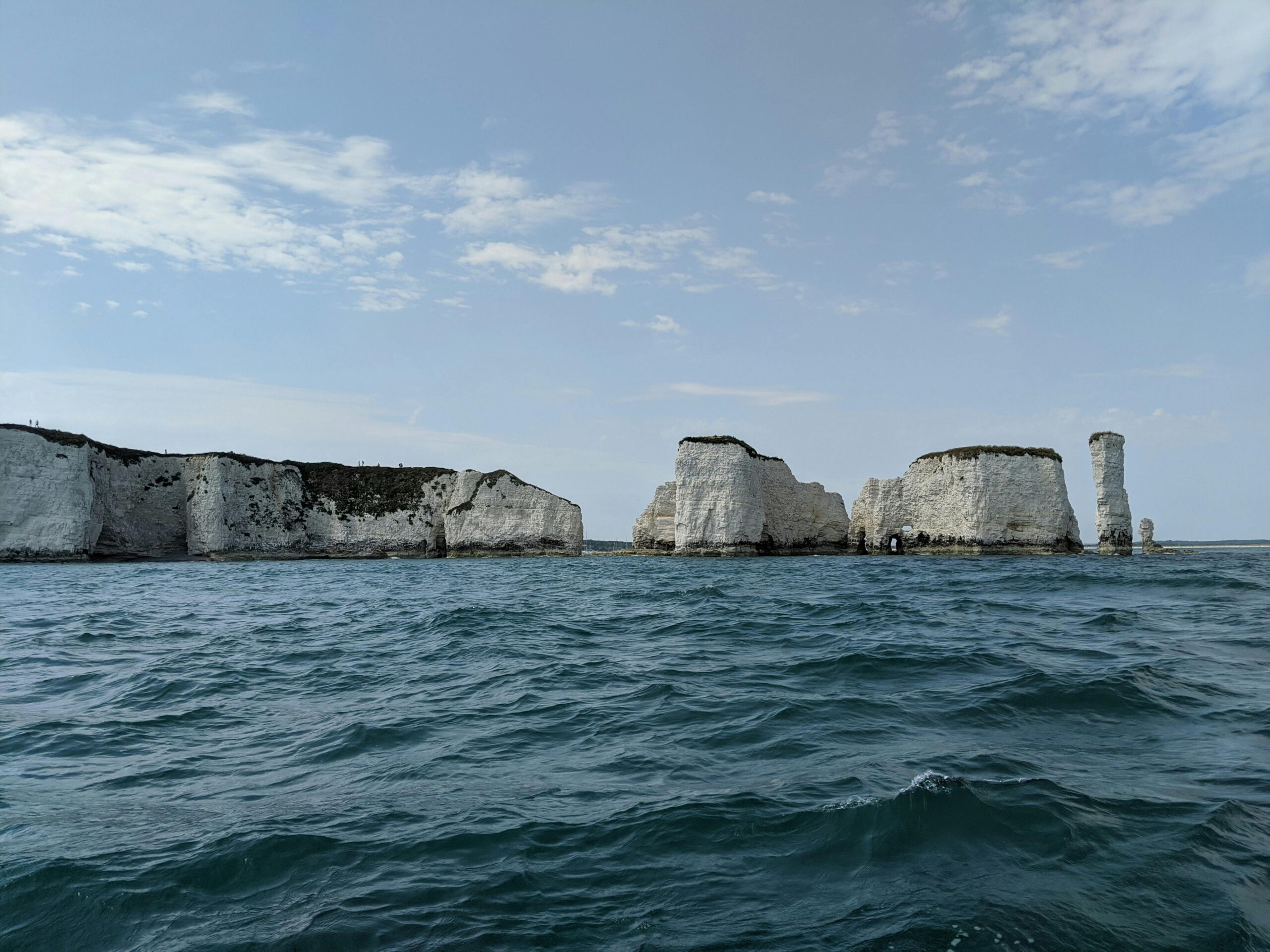
What was once a continuous chalk ridge or simply a bridge that connected with the Isle of Wight began to erode after the Ice Age. The final separation of the Isle of Wight from the mainland, and the erosion that formed the iconic chalk stacks, began after the last Ice Age as sea levels rose.
This process, known as the Flandrian Transgression, commenced about 12,000 years ago. Geologists have some differing opinions on the precise timeline, but the final breach of the chalk ridge that created the Solent strait is estimated to have occurred between 7,500 and 5,500 years ago.
Story of Harry Paye
There are a few different beliefs about how this iconic landmark got its name, one of which is believed to be after the notorious privateer from Poole named Harry Paye, also known as “Old Harry.” This formidable figure, active in the late 14th and early 15th centuries, was a commissioned seafarer who led daring raids against French and Spanish vessels on behalf of the English Crown.
Legend has it that “Old Harry” would strategically utilize the distinctive chalk stacks as a clandestine hiding place for his fleet. He would reputedly moor his ships behind these natural formations, lying in wait to ambush unsuspecting merchant ships navigating the Channel. While historical accounts confirm Paye’s extensive and successful maritime exploits—including the capture of numerous enemy vessels and significant hauls of cargo—the specific tales of him hiding behind these rocks add a captivating layer of local folklore to their geological grandeur.
However, Paye’s relentless success eventually provoked a fierce retaliation. In 1405, a combined Franco-Spanish fleet launched a devastating revenge attack on Poole, burning much of the town and tragically resulting in the death of Harry’s own brother. Undeterred, and fueled by a desire for “payback,” Harry Paye soon embarked on an expedition in 1406. Though popular legend sometimes exaggerates his conquests to 200 ships, historical records indicate he captured a remarkable fleet of over 100 French and Spanish vessels laden with valuable goods. This audacious act of retribution further cemented his fearsome reputation and his enduring legacy as a true swashbuckler of the Dorset coast.
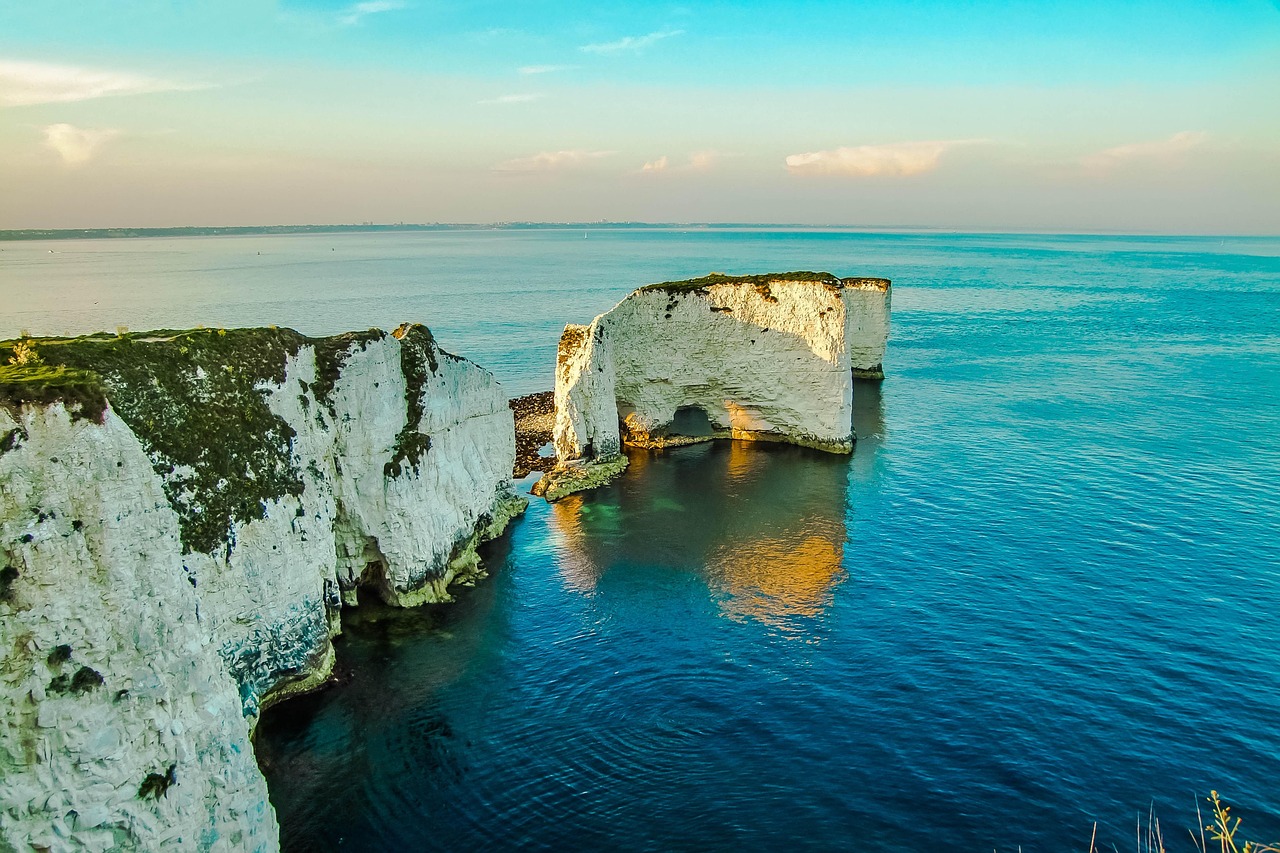
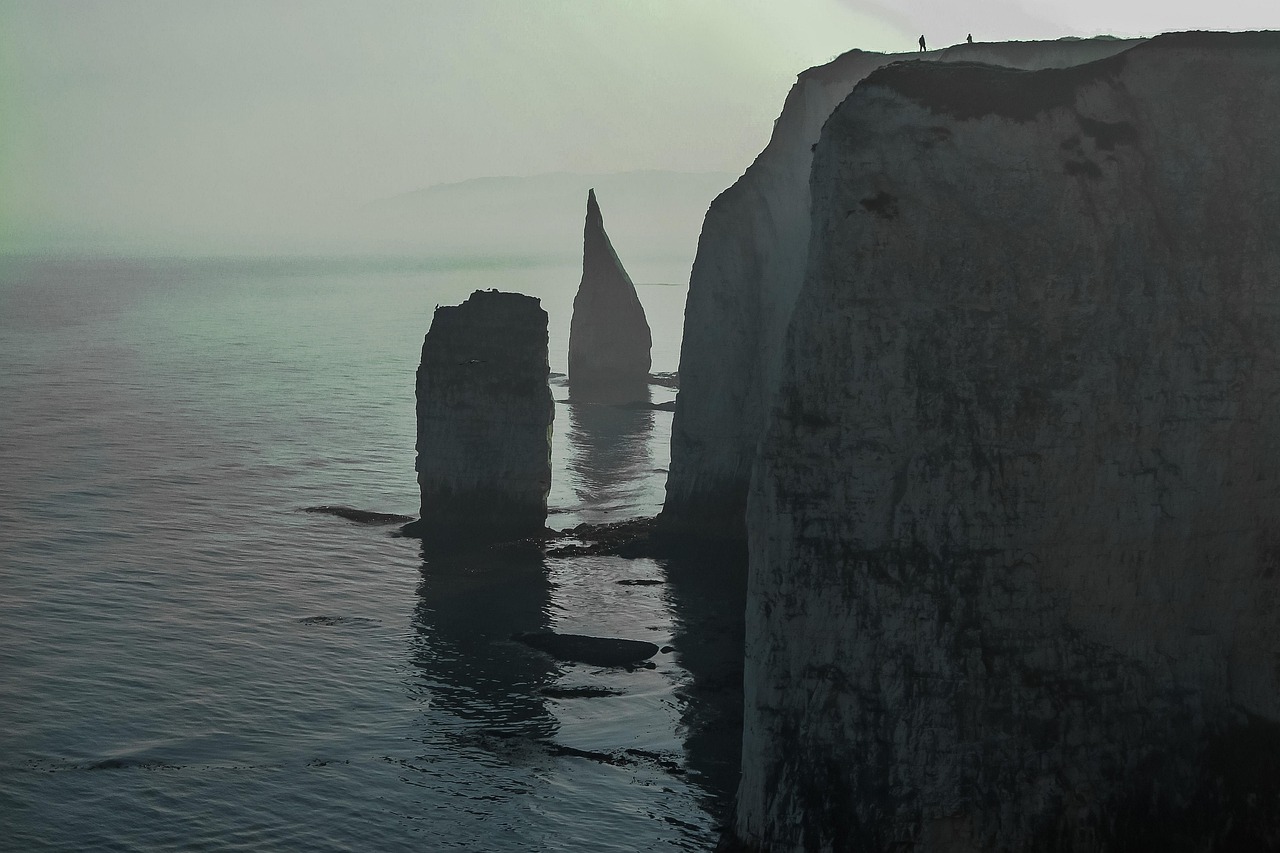
Another captivating legend for the origin of the name “Old Harry Rocks” suggests a more supernatural tale, rooted in traditional English folklore. In this version, “Old Harry” is a common euphemism for the Devil himself. The story tells of how the Devil would frequently rest upon these rocks, taking a break from his dark deeds.
This legend is reinforced by a few intriguing details. The nearby cliff top, for instance, is known as “Old Nick’s Ground,” with “Old Nick” being another well-known nickname for the Devil. Furthermore, the historical phrase “playing Old Harry” refers to the act of causing chaos or destruction, which adds a sinister reputation to the rocks themselves. This folklore suggests that the name served as a warning to sailors, who viewed the treacherous cliffs as a dangerous and unforgiving place, perhaps even a site where the Devil might be found.